The Bench-Placement Myth: More Seats Do Not Fix Every Pause
Bench placement can make public seating more useful: assess shade, views and nearby movement to choose a spot that supports a comfortable pause.
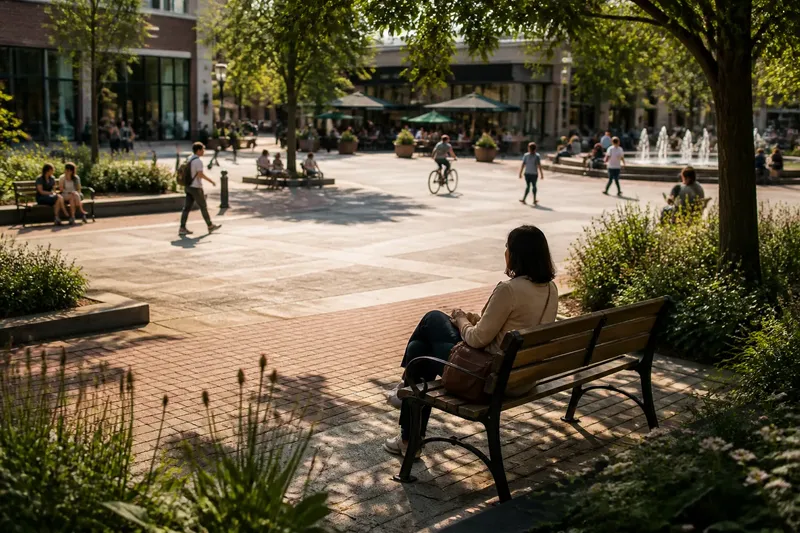
Bench placement can leave a public seat empty even when people are resting nearby. The reason is often not a shortage of furniture but a poor fit between the seat and the particular pause it offers.
A bench can invite someone to watch a plaza, wait for a bus or sit alone; it can also put them in a queue, a gust of wind or the middle of a fast-moving route. The design question is which use the location can support without getting in anyone else’s way.
Why can’t more seats solve a placement problem?
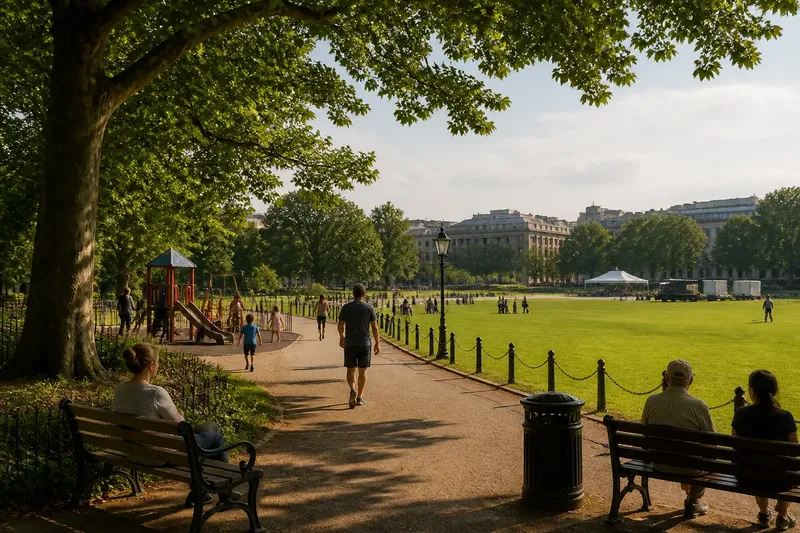
A seat is useful only if its position suits the reason someone might stop. A bench beside a playground may help a caregiver keep the play area in view, while the same bench beside a service entrance may feel like an obstacle or an unwanted audience.
Adding benches without addressing that mismatch is like adding chairs to a room while leaving them facing the wall. The furniture count changes; the invitation does not.
Before choosing a new location, note where people already pause: a shaded planter edge, a sheltered doorway or a spot with a clear view of an entrance. These observations can point to a missing amenity, but they do not automatically mean every informal perch should become a bench.
What makes a bench feel exposed?
Exposure can come from direct sun, wind, traffic noise or being too close to people passing. A low planting bed or a building edge may soften those conditions while leaving the seat connected to the public space.
Shelter should not turn into concealment. Dense planting or a tall screen can block views and make the seat harder to supervise or maintain. Check the location from both the seated position and the surrounding path.
Conditions also change over the day. A sunny spot may be pleasant in cool weather and uncomfortable later; a lively entrance may suit a short wait but overwhelm someone seeking a quiet pause. Consider when the space is used, rather than treating it as a fixed scene.
Which way should a public bench face?
Direction shapes what a sitter can see and how visible they feel. Facing a garden, fountain or plaza gives attention a destination. Facing a busy path can make people-watching easy, but may also leave a sitter feeling watched.
Different arrangements serve different purposes. Seats angled toward one another can help companions talk; a separate outward-facing seat can suit someone who prefers to pause alone. On a narrow promenade, turning a bench slightly away from the main flow can preserve a view without placing its occupants directly in the stream.
Keep distance in view as well. A seat beside a café queue may inherit its noise and crowding; moving it farther away may remove the view that made the spot attractive. The right position depends on which interruption matters most for the intended use.
How should nearby activity affect bench placement?
At a bus stop, a clear view of arriving vehicles may be useful. Beside a play area, a seat can help caregivers watch without crowding the play boundary. Near a food kiosk, a place to eat should not block the counter or the pedestrian route.
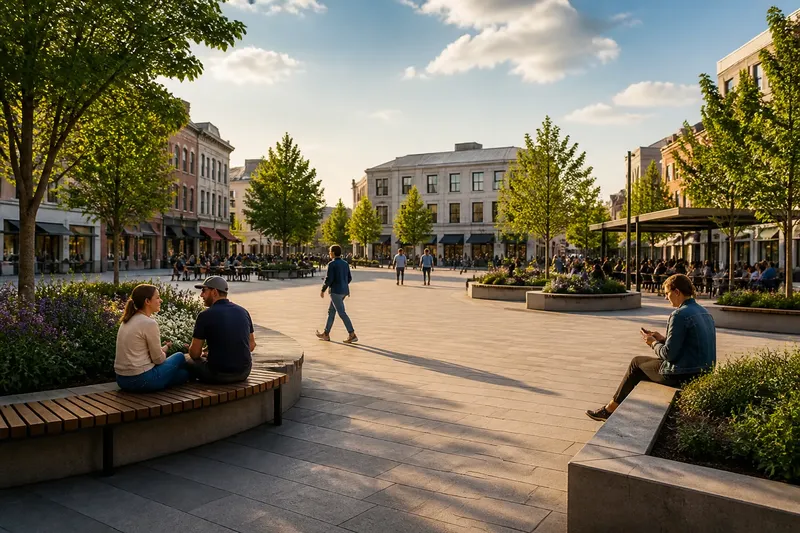
Imagine a neighborhood plaza with three existing benches in direct afternoon sun and people standing beneath a nearby tree. A design team considers moving one bench into the shade, turning it toward the plaza, and preserving a clear route behind it. The expected result is a shaded seat with a view of plaza activity that does not sit in the passing stream; the other benches remain in place until their own locations are assessed.
Not every gathering calls for a bench. People waiting at a doorway may need a designated waiting area, or they may be caught in a bottleneck. Check whether seating supports the activity or narrows the space others need to pass through.
How can you assess bench placement on site?
Walk the site at different times and use the list below to connect each observation to a decision. These checks can help distinguish a location problem from a need for a different type of seat or a change to nearby activity.
- Existing pauses: Check where people stop, stand or perch. If they gather in a comfortable spot without blocking movement, consider placing a seat there; if they cluster at a bottleneck, address the obstruction before adding furniture.
- Sun and shelter: Check which seats are exposed or shaded during the periods when the space is used. If a bench is uncomfortably exposed, consider shade or relocation; if it already has suitable shelter, look for another cause of low use.
- Seated views: Sit at the proposed location and check views of entrances, paths, play areas and landmarks. If the useful view is blocked, change the seat’s direction or position; if it is clear but feels intrusive, consider a less exposed angle.
- Nearby movement: Check for queues, bike routes, deliveries and busy crossings. If seating interferes with them, move it out of the route; if movement remains clear, assess noise and activity separately.
- Social use: Check whether people tend to sit together, alone or near an edge. If one arrangement does not serve these different pauses, provide a mix of positions; if the current mix suits the observed uses, avoid adding redundant seats.
- Access and upkeep: Check the step-free route, room for mobility devices, drainage and cleaning access. If the proposed location compromises access or maintenance, choose another position; if those needs are accommodated, proceed to assess comfort and fit.
What do people ask about bench placement?
How far should a bench be from a busy path?
There is no single useful distance for every site. Keep the route clear and consider whether people seated nearby would be disturbed by passing traffic; if either condition is a problem, shift the bench or turn it away from the flow.
Should benches face each other?
Facing seats can make conversation easier, but may be less suitable for someone who wants to watch the surroundings or sit alone. Choose the arrangement according to the likely use, and include another orientation if the space serves both.
Is shade always the better choice?
Not necessarily: a shaded location may be less useful if it is noisy, hidden or outside the activity people want to observe. Weigh shade against access, visibility and the purpose of the seat.
What should replace an empty bench?
First check whether the problem is its position, orientation, exposure or conflict with nearby activity. If those conditions are already suitable, consider whether the site needs a different seating arrangement rather than another bench.
Good bench placement starts with the pause a place can reasonably support, then checks whether the seat fits it. When choosing bench placement, treat shade, views, access and nearby movement as connected decisions; changing the position may solve a problem that another bench would only repeat.